Cutting Services
Cutting Services
Cutting services are fundamental to many manufacturing and production processes. These services involve the precise separation or shaping of materials to meet specific dimensions or design specifications. Cutting is used in a wide range of industries, including aerospace, automotive, electronics, construction, and general manufacturing. The cutting processes offered range from traditional methods like saw cutting and shear cutting to advanced techniques like laser, plasma, and waterjet cutting.
We provide a broad spectrum of cutting services to meet the diverse needs of our clients, ensuring high precision, quality, and efficiency in every project. This catalogue outlines the various cutting processes, materials we process, and the machines we use for each method.
Materials Processed:
- Metals: Stainless steel, Aluminum, Brass, Copper, Carbon steel, Titanium, Inconel, Tool steels, Alloys.
- Plastics: Acrylic, PVC, Polycarbonate, Nylon, PEEK.
- Wood and Wood Composites: MDF, Plywood, Hardwood
- Composites: Carbon fiber, Glass fiber.
- Ceramics and Glass: Glass, Porcelain, Ceramic tiles.
- Rubber and Foam Materials
- Component fabrication in automotive, aerospace, and industrial machinery ∙ Creation of intricate designs and patterns in decorative materials.
- Manufacturing of precise parts with specific tolerances
∙ Sheet metal cutting for structural components. - Cutting of pipes, tubes, and profiles.
- Manufacturing of consumer goods, electronics, and medical components.
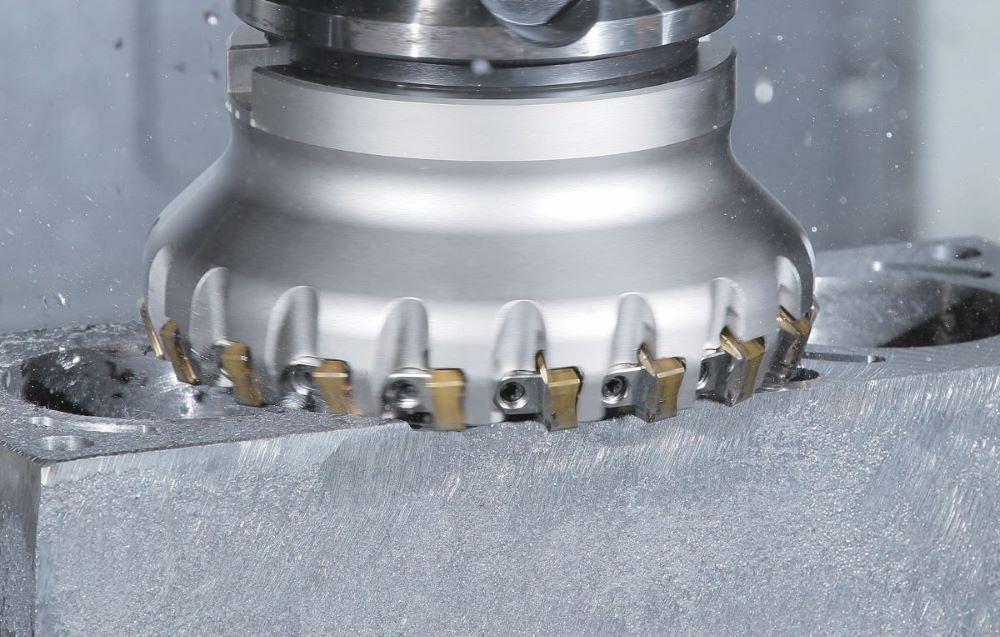
Saw Cutting (Manual and CNC)
Process Description: Saw cutting is a traditional method where a saw blade or a rotary blade is used to cut materials into desired shapes and sizes. This process is particularly useful for straight cuts and is ideal for larger stock materials or batch
production. Manual saw cutting involves operator-controlled tools, while CNC saw cutting is computer-controlled for higher precision and repeatability.
Machines Used:
- Manual Bandsaws: Used for cutting metal and other materials manually for one-off or small production runs.
- CNC Bandsaws: Computer-controlled bandsaws used for high-precision and automated cutting, providing repeatability for larger production volumes.
- Circular Saw Machines: Common for cutting wood, plastic, and light metal materials.
Applications:
-
Straight cuts for sheet metal, pipes, and structural materials.
-
Cut-off operations for stock lengths in metalworking.
-
Cutting of wood, plywood, or plastic sheets for consumer goods and furniture.
Key Features:
-
Simple and cost-effective for straight cuts.
-
Suitable for larger volumes and high-throughput production.
-
Ideal for cutting bulk materials or larger profiles
Laser Cutting
Process Description:
Laser cutting uses a high-powered laser beam to melt, burn, or vaporize the material along a cutting line. The laser is controlled by a CNC system, allowing for intricate cuts with high precision. Laser cutting is used for metals, plastics, wood, and other materials and provides clean edges with minimal heat-affected zones.
Machines Used:
- CO2 Laser Cutters: Used for cutting non-metallic materials (wood, plastics) and thin metals (aluminum, stainless steel).
- Fiber Laser Cutters: High-precision cutters used for metals, particularly high-strength steels and alloys, as well as for thicker materials.
Applications:
- High-precision cuts in sheet metal, plastic, wood, and ceramics.
- Intricate designs, logos, and patterns on various materials.
- Cutting of thin materials and fine details, such as in electronics or jewelry manufacturing.
Key Features:
- Exceptional precision and edge quality.
- No physical contact with the material, reducing wear on the machine.
- Capability to cut complex shapes and patterns with ease.
Waterjet Cutting
Process Description: Waterjet cutting uses a high-pressure stream of water, often mixed with an abrasive material, to erode the material and create a cut. Waterjet
cutting is versatile and can cut through almost any material, including metals, plastics, stone, and ceramics. This process is known for its ability to create clean cuts without generating heat, which prevents material distortion.
Machines Used:
- Abrasive Waterjet Cutters: Machines that mix high-pressure water with abrasive materials for cutting metals, stone, ceramics, and thick materials.
- Pure Waterjet Cutters: Used for cutting softer materials like rubber, foam,
and plastics.
Applications:
- Precision cutting of thick metal plates, stone, and ceramics.
- Complex and intricate shapes in a wide range of materials.
- Applications where heat-affected zones must be minimized (e.g., aerospace,
automotive parts).
Key Features:
- Suitable for cutting very thick materials.
- No heat-affected zone, ideal for sensitive materials.
- Highly precise and capable of creating detailed, intricate designs.
Plasma Cutting
Process Description: Plasma cutting uses an electrically conductive gas (plasma) that is accelerated to high speeds and directed at the material. The plasma arc melts the material as it moves along the cut path. Plasma cutting is commonly used for metals and is faster than laser cutting but is less precise for thin materials.
Machines Used:
- CNC Plasma Cutters: Computer-controlled systems for automated cutting of thick metals, particularly ferrous materials like steel and iron.
- Manual Plasma Cutters: Operator-controlled systems used for custom cutting and smaller batch production runs.
Applications:
-
Cutting of thick sheet metal and profiles for structural applications.
-
Automotive and construction components.
-
Industrial parts requiring fast, straight cuts.
Key Features:
-
Faster cutting speed for metals compared to laser cutting.
-
Ideal for thicker materials (up to several inches).
-
Cost-effective for high-volume production but with lower precision than laser cutting.
Shearing (Guillotine Cutting)
Process Description:
Shearing involves the use of a shear blade to cut through materials by applying a large amount of pressure. The material is held in place, and the blade makes a straight cut across the material. Shearing is typically used for cutting sheet metal and thin materials, especially in large production runs.
Machines Used:
- Mechanical Shears: Standard machines used for cutting thin sheet metal
into strips or sheets of specific lengths. - CNC Shears: Automated shearing systems for more precise and repeatable cuts in high-volume production.
Applications:
-
Cutting sheet metal, plastics, or rubber into standard sizes.
-
Manufacturing of metal parts in industries like automotive, aerospace, and construction.
-
Cutting strips, sheets, and profiles for component fabrication.
Key Features:
-
Simple, fast, and cost-effective for cutting sheet materials,
-
Ideal for high-volume production.
-
Can handle a wide variety of materials, including metals and plastics.
Wire EDM (Electrical Discharge Machining)
Process Description:Wire EDM uses a thin, electrically charged wire to erode material from a workpiece. The wire cuts through the material by generating a series of electrical discharges. Wire EDM is particularly suitable for intricate and complex cuts, especially in hard materials like tool steels, titanium, and tungsten.
Machines Used:
- CNC Wire EDM Machines: Automated machines controlled by a computer to cut precise shapes with a thin wire.
Applications:
-
Precision cutting of complex shapes and features for tools, molds, and dies.
-
Cutting of high-hardness materials or thin sections with high accuracy.
-
Manufacturing components in the aerospace, medical, and tooling industries.
Key Features:
-
Extreme precision, suitable for intricate and complex shapes.
-
High accuracy in cutting hard and conductive materials.
-
Capability to cut tight corners and narrow slots